By: Ahmed Saleem
In the diverse landscape of Pakistan, the journey towards inclusivity faces significant hurdles for persons with disabilities. The UNDP has estimated that nearly 6.2% of the Pakistanis have some form of disability. Other estimates consider this proportion to be much higher. The HRW, for instance, has pointed out how estimates of PWDs in Pakistan vary widely, ranging from 3.3 million to 27 million.
Navigating the intricate tapestry of cities, towns, and rural areas, individuals with disabilities encounter accessibility and mobility challenges that extend far beyond physical barriers. In bustling urban centers like Lahore and Karachi, persons with disabilities often grapple with inadequate infrastructure that limits their mobility. Insufficient ramps, inaccessible public transportation, and a lack of tactile paving make navigating public spaces an arduous task. The absence of universally designed facilities further perpetuates the isolation of persons with disabilities, hindering their ability to engage fully in daily life.
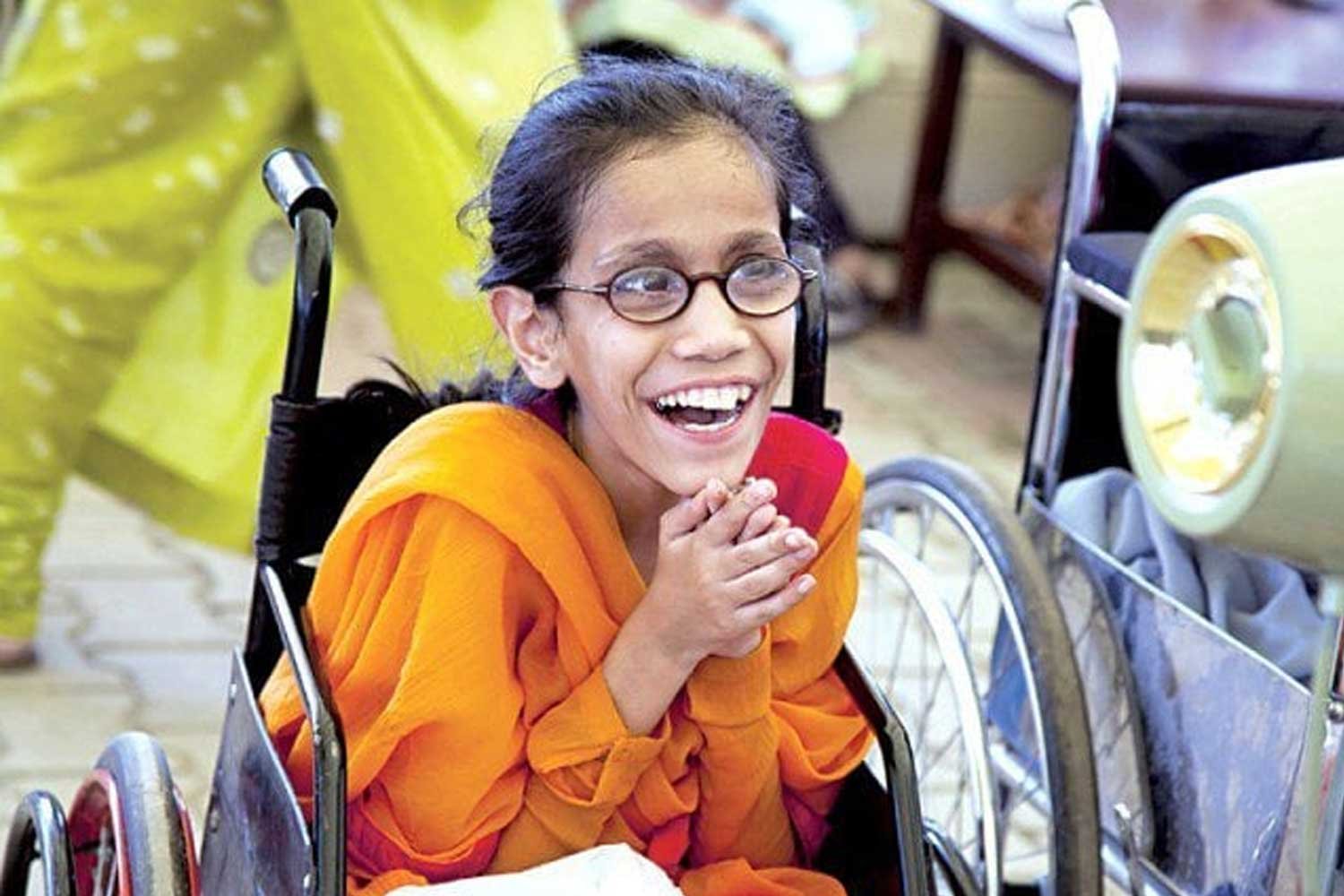
The provision of mobility aids is also a critical component in ensuring equal opportunities for persons with disabilities, yet the issue of non-affordability creates an alarming barrier to accessibility. Mobility aids, including wheelchairs, crutches, and walking aids, are essential tools that empower individuals with disabilities to navigate the world independently. However, the prohibitive costs associated with acquiring these aids often leave many in a state of vulnerability and dependency. Recognizing the fundamental right of every individual to access the tools necessary for their mobility, it becomes imperative to advocate for the provision of mobility aids free of charge. By doing so, we not only break down financial barriers but also contribute to a more inclusive society where everyone, regardless of economic status, can lead a life of dignity, autonomy, and full participation.
As a society, we stand at a crossroads where our collective actions can shape a more inclusive future. Implementing and enforcing accessibility standards in public spaces and transportation, ensuring equal opportunities in employment, and fostering a culture of empathy and understanding are integral components of this journey. In breaking down these barriers, we embark on a path toward a more inclusive and compassionate society—one where accessibility is not a privilege but a fundamental right for all.